
Published by Giovanni Patania
on 06/10/2026
Managing a rental property from a distance can feel straightforward—until the first problem needs someone on site.
A repair requires access. A tenant stops replying. A licence renewal is approaching. Your agent says everything is fine, but the latest inspection report tells you very little. That is when distance stops feeling efficient and starts exposing weaknesses in the setup.
Remote management can work, but it has to be designed properly. You need reliable local support, clear records and a repair process that does not depend on you being nearby.
We regularly see landlords struggle not because the property is too far away, but because responsibilities were never clearly assigned. When nobody knows who should inspect, follow up or make a decision, minor issues are easily missed.
If you are buying, scaling or already managing from a distance, you can book a free call with HMO Architects. We will use the call to understand your plans, identify any management risks that may need checking and decide whether HMO Architects is the right support for your next step.
The Remote Property Control Framework™
Strong remote management relies on systems rather than reassurance. The best remote landlords often have better controls than landlords who live nearby because they cannot rely on informal visits or last-minute fixes.
A dependable remote setup rests on six connected systems:
- Local support for inspections, emergencies and contractor access
- Reliable inspection and reporting procedures
- Clear repair and maintenance workflows
- Up-to-date compliance records and reminders
- Defined responsibilities and spending authority
- Regular communication with tenants, agents and contractors
When one of these systems is weak, the others come under more pressure.
Can You Manage a Rental Property Remotely?
Yes, you can manage a rental property remotely, but distance cannot mean absence.
The real test is whether the property has a dependable local system around it. Someone still needs to attend emergencies, meet contractors, inspect its condition, manage access and spot small issues before they become expensive.
A setup that depends mainly on tenants sending photographs and an agent providing loose updates is too weak. You need evidence, follow-up and a clear record of what happened.
When Remote Management Usually Works
Remote management is safer when the property is well documented and already in good condition. It also helps to have a reliable local team, responsive tenants, clear records and planned preventative maintenance.
The property does not have to be simple, but the process around it must be clear. More complex properties, particularly HMOs, need stronger local support and closer reporting.
What You Still Need to Control as the Landlord
A managing agent can help, but they do not remove your need for oversight.
Responsibility can be delegated. Accountability usually cannot.
You still need to know what is due, what has been checked, what has been repaired and what evidence can be produced if the council, insurer, lender, tenant or buyer asks for it.
For a wider view of the duties involved in running an HMO, use the HMO landlord responsibilities and checklist.
Compliance Dates and Records
The records you need will depend on the property. They may include EICRs, Gas Safety Certificates, EPCs, Right to Rent evidence, deposit protection records, insurance documents, repair logs and licence conditions.
Do not give every property the same record pack. A standard single let, a small HMO and a larger licensed HMO can all require different checks.
The HMO compliance handbook is a useful next read when you need to understand the wider compliance picture.
Repairs, Access and Emergencies
Repairs are where remote management often starts to break down.
The worst repair problems usually begin as small maintenance issues that nobody followed up properly. A minor leak, loose fitting or damaged fire door can become far more expensive when responsibility is unclear.
Your process should cover what tenants report, who receives the report, who decides how urgent it is and who checks that the work has been completed properly.
Tenants should know who to contact during an emergency. Your agent or local contact should understand what they are authorised to approve. You should also know when you will be informed and what evidence you will receive afterwards.
Build Your Local Support Setup Before You Need It
The worst time to look for a contractor is when a ceiling is leaking, a lock has failed or tenants are waiting for an urgent repair.
Build the local team first. Remote management then has something practical to stand on.
Your Local Support Network™
Every remote landlord should be able to answer the following questions:
- Who attends emergencies and manages access?
- Who checks completed repairs?
- Who carries out routine inspections?
- Who speaks to contractors and approves costs?
- Who handles communication with the council?
- Who steps in when the main contact is unavailable?
If any answer is unclear, the arrangement is not yet strong enough.
Choosing a Managing Agent
Do not choose a managing agent on fee alone, especially when the property is an HMO.
A lower management fee can become expensive if inspections are weak, repairs are not followed up or licence conditions are missed. Ask how the agent handles inspections, repairs, out-of-hours calls, tenant issues, deposits, arrears, contractor approvals and reporting. If they will hold client money, check that the required protections are in place.
For an HMO, ask about room-by-room management, shared-space issues, fire records, cleaning checks and council contact. A standard letting agent may be suitable for a simple let, but a more complex HMO requires stronger reporting and closer inspections.
Use Digital Tools Without Letting Them Replace Management
Digital tools can make remote property management easier, but they cannot replace judgement, physical inspections or someone attending when necessary.
Online folders, shared calendars, maintenance apps, cloud-based photographs, digital signing and structured inspection reports can all help. However, a tidy digital folder is not proof that real checks are taking place.
Technology should make responsibilities easier to track. It should not create another layer of administration or give a false sense of control.
This guide to landlord and property management software may help you compare tools that support the process with those that simply add more admin.
Smart Technology, CCTV and Privacy
Smart locks, cameras, doorbells and remote-access tools can help with security and access. They can also create problems when they are used badly.
Before installing anything that records people, monitors activity, stores data or affects tenant access, check privacy, consent, data protection, tenancy terms and whether the setup is suitable for a shared property.
Technology should support the tenant experience, not undermine trust. It should make access and management clearer without leaving tenants feeling monitored.
Remote HMO Management Needs Extra Care
An HMO gives you less room for weak management than a simple single let.
More people live in the property, and more facilities are shared. Small issues involving kitchens, bathrooms, hallways, waste areas, alarms, doors and cleaning can quickly become larger management problems.
That does not mean remote HMO management is unrealistic. It means your local setup must be stronger from the beginning. For a wider operational view, read our guide on how to manage an HMO.
Licensing and Council Standards
Before relying on a remote management plan, confirm whether the property requires an HMO licence.
Some HMOs need mandatory licensing. Smaller HMOs may fall under an additional licensing scheme, while some areas also operate selective licensing for other rented homes.
Licensing should always be verified for the exact property rather than assumed from nearby examples. Local boundaries, property use and occupancy can all affect the answer.
Shared Spaces and Tenant Issues
Shared spaces are where weak management systems become visible fastest.
Cleaning slips. Waste builds up. Tenants raise concerns about noise, visitors or the condition of shared facilities. Repairs in communal kitchens and bathrooms affect everyone in the house.
Your agent or local contact should inspect these areas properly and report back with useful evidence—not simply send a quick message saying everything looks fine.
Our guide to HMO inspection preparation can help you understand what a stronger inspection and record trail should support.
Project Proof: Why the Setup Matters Before Handover
The best remote management arrangements are often shaped before the property is handed over to tenants.
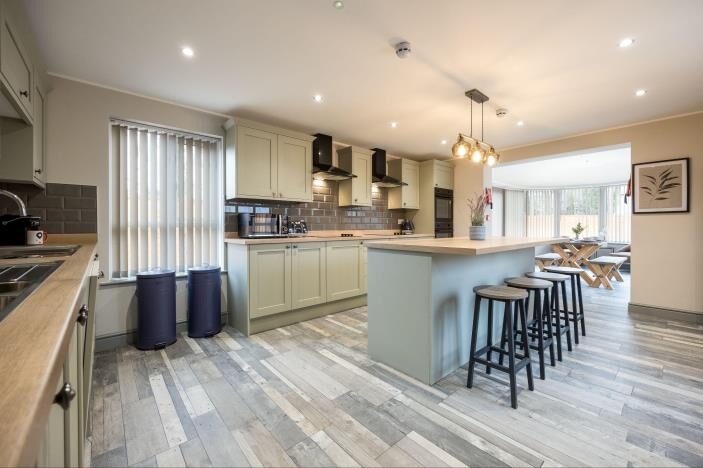
The Pasture Cottage project is relevant because the work was treated as one connected process. It included HMO licensing, construction project management, interior design, furniture selection and a 3D virtual tour.
That joined-up approach helps protect the handover. Instead of treating the property as a loose collection of rooms, finishes and late decisions, it is prepared as a managed asset.
For a landlord operating from another part of the country—or from overseas—that preparation reduces the number of decisions that must be made remotely once tenants move in. Clear design, compliance records, documented finishes and tenant-ready details also make it easier for local agents and contractors to understand what is expected.
The more care that goes into the property before handover, the less you have to rely on guesswork once it is live.
What to Do Before You Manage From a Distance
The right starting point depends on whether you already own the property or are still considering the purchase.
If You Already Own the Property
Start with a remote landlord audit.
Review the records, licence position, inspection reports, tenancy documents, repair history, contractors, emergency response and tenant communication routes.
Then test the people and processes around the property. Who attends in an emergency? Who checks completed work? Who inspects shared areas? Who handles council contact?
Most remote management weaknesses become visible during this exercise. When an answer is vague, tighten the process before a tenant, contractor or council officer exposes the gap for you.
If You Are Buying Remotely
Check the licence route, local standards, likely works, property condition, management demand, insurance and whether the property is realistic to manage from your location.
HMO Architects regularly supports clients across the UK and overseas who may not see the property in person before buying. A pre-purchase review can help test the assumptions behind the deal before too much depends on them.
It also helps to understand the likely HMO running costs before committing. A strong headline yield can weaken once repairs, compliance, inspections and management time are priced properly.
When the purchase forms part of a wider portfolio plan, a strategy call can help you consider how the property fits the broader direction before you commit too far.
FAQs
Can I manage a rental property remotely?
Yes, but only when you have reliable local support, clear responsibilities and complete records. Someone still needs to inspect the property, manage access, deal with urgent repairs and report back properly.
Do I need a local managing agent?
Not always, but most remote landlords need either a managing agent or a trusted local contact. For HMOs, dependable local support is usually safer because shared spaces, licensing, repairs and tenant issues require closer attention.
Can I manage an HMO remotely?
Yes, but the setup needs to be stronger than it would be for a simple single let. Check licensing, council standards, shared-space management, fire records, cleaning, waste, inspections and emergency response before relying on remote management.
Are smart locks and CCTV a good idea for remote landlords?
They can help in some properties, but they need careful consideration. Check privacy, consent, access control, tenancy terms, data protection and whether the technology is suitable for the way tenants use the property.
Published by Giovanni Patania
on 06/10/2026
Giovanni is a highly accomplished architect hailing from Siena, Italy. With an impressive career spanning multiple countries, he has gained extensive experience as a Lead Architect at Foster + Partners, where he worked on a number of iconic Apple stores, including the prestigious Champs-Élysées flagship Apple store in Paris. As the co-founder and principal architect of WindsorPatania Architects, Giovanni has leveraged his extensive experience to spearhead a range of innovative projects.