
Published by Ryan Windsor
on 08/29/2025
An Inside Look at the OX Living Approach

OX Living founder David Granat, winner of 5 x awards at the prestigious industry ‘HMO Summit & Awards 2025’, including ‘Best Regional HMO Investor’, tells HMO Architect’s directors Ryan Windsor and Giovanni Patania that “Great co-living spaces don’t happen by accident—they’re the result of deliberate choices, strategic planning, and a deep understanding of the people who live in them.”
Interior design isn’t just about aesthetics—it’s fundamental to how people experience shared living.
Why Interior Design Is Not Just a “Nice to Have”
In co-living, design choices directly impact tenant wellbeing, satisfaction, and retention. From the layout of communal areas to the materials used on kitchen worktops, every detail affects how people interact with the space—and each other.
..We’ve found that well-designed environments support everything from personal privacy to spontaneous social connection. When people feel good in a space, they stay longer, look after it better, and become part of the community. That’s why our design process begins long before paint goes on the walls.”
Designing for Young Professionals
OX Living’s tenants are predominantly young professionals—many are new to the area, building their careers, and looking for more than just a room to rent. They want convenience, flexibility, and a sense of belonging. Design plays a huge role in making that possible.
Here are some of the core principles applied in their projects:
- Zoned spaces: Separating areas for work, rest, and play helps people feel at home, even in a shared setting.
- Ample storage and appliances: More fridges. More cupboards. More washing machines. It’s the practical things that make shared living run smoothly.
- Durability meets design: Invest in materials that are robust, low-maintenance, and visually appealing—not just because they look good on day one, but because they last.
Interior Layout: A Hidden Engine of Tenant Satisfaction
Layout is where design meets functionality. A beautiful space that doesn’t work for everyday life simply won’t be lived in comfortably.
Here are a few layout tips integrated over time:
- Generous communal areas: People want to connect, but not feel on top of each other.
- Defined zones: Separate quiet workspaces from social kitchens or lounges.
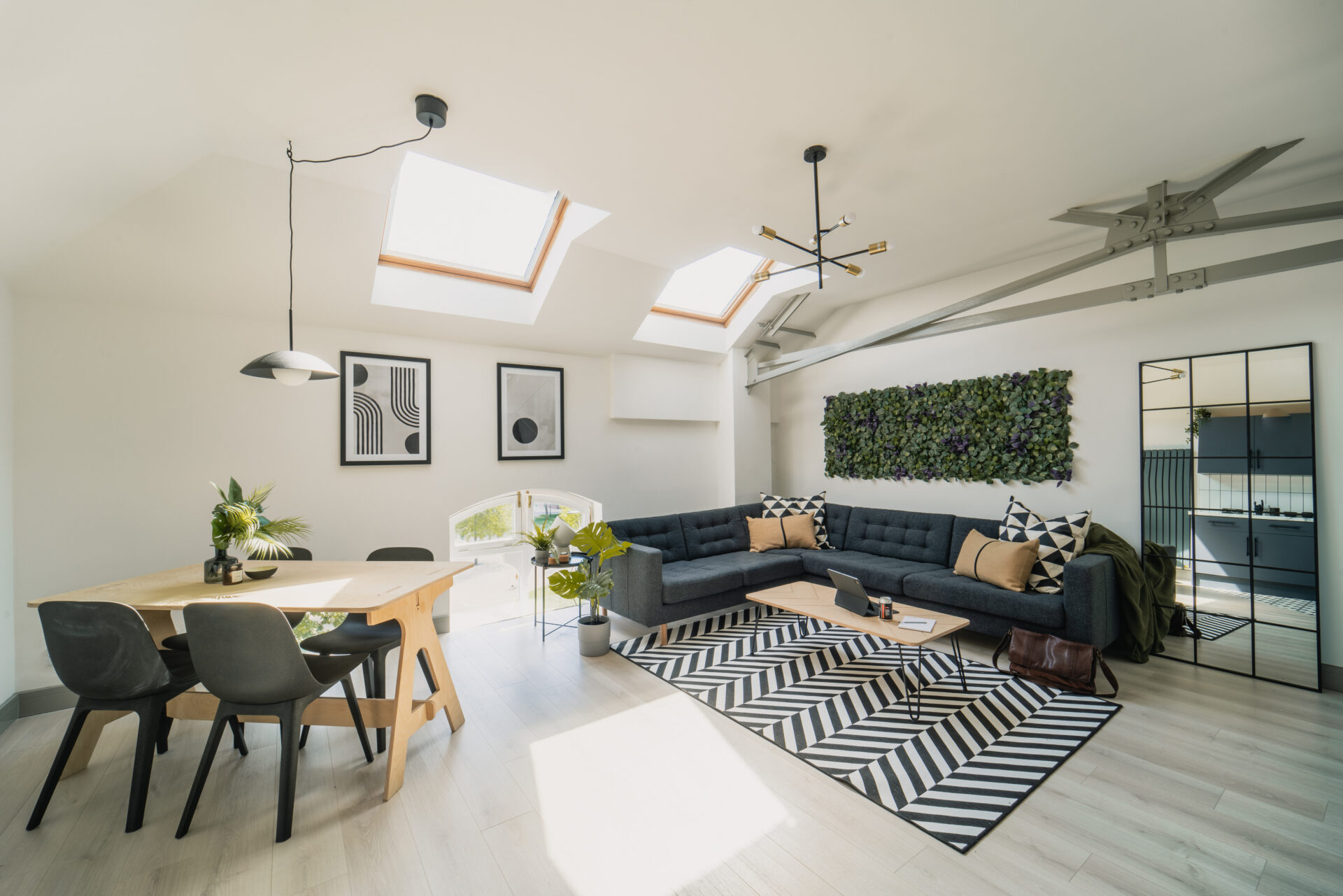
- Natural light and open flow: These aren’t luxuries—they’re essential for wellbeing.
- Flexibility in furnishings: Allowing residents to personalise their spaces builds a sense of ownership and comfort.
When done right, the layout does more than organise rooms—it influences how people use the space, how they interact, and how they feel.
Budgeting for Impact
Interior design doesn’t have to break the bank—but skimping on it is a false economy while fit out costs allows to balance style with longevity. David and his team found this investment pays off in:
- Lower maintenance over time
- Higher tenant satisfaction
- Better retention and fewer voids
Even on larger redevelopments of commercial spaces, where planning and compliance can stretch timelines to 9–12 months, they never cut corners on design. It’s not about premium for the sake of it—it’s about delivering value through experience.
Planning with Design in Mind
A common mistake in property development is to focus heavily on planning permissions, fire regs, and financing—then treat interior design as the cherry on top. OX Living brings design into the conversation from the outset.
Working closely with architects and planning consultants from day one to ensure the design intent carries through every stage of development. That includes:
- Navigating listed building constraints without compromising comfort
- Collaborating with local communities to ensure designs enhance the area
- Anticipating how layouts will be lived in—not just passed through planning
Final Thoughts: Design Is a Strategic Decision
Interior design in co-living isn’t about trends. It’s about understanding how people live together—and creating spaces that support that lifestyle with intention and care.
As the team continues to grow their portfolio across Oxfordshire, design remains one of the most powerful tools—not just to attract tenants, but to build real communities and create places people are proud to call home.
Want to learn more about OxLiving?

With over 500 rooms delivered across Oxfordshire and a goal to reach 1,000 by 2027, their journey has taught us a simple but powerful truth: that design brings results. Follow their journey on social media, explore our latest projects, or reach out to the team to find out how OX Living approaches community-first development. https://www.oxliving.co.uk
Published by Ryan Windsor
on 08/29/2025
Ryan Windsor, Development Director and co-founder of HMO Architect, brings over 15 years of specialised experience in HMO development to the table. Having consulted on nearly 2,200 projects, Ryan is a highly seasoned HMO landlord with a vast and influential property network. He began his real estate journey at just 17, rapidly amassing a wealth of experience that sets him apart in the industry. Beyond his professional successes, Ryan is passionately dedicated to giving back, leading numerous charitable initiatives that make a meaningful impact on local communities.