
Published by Giovanni Patania
on 08/07/2026
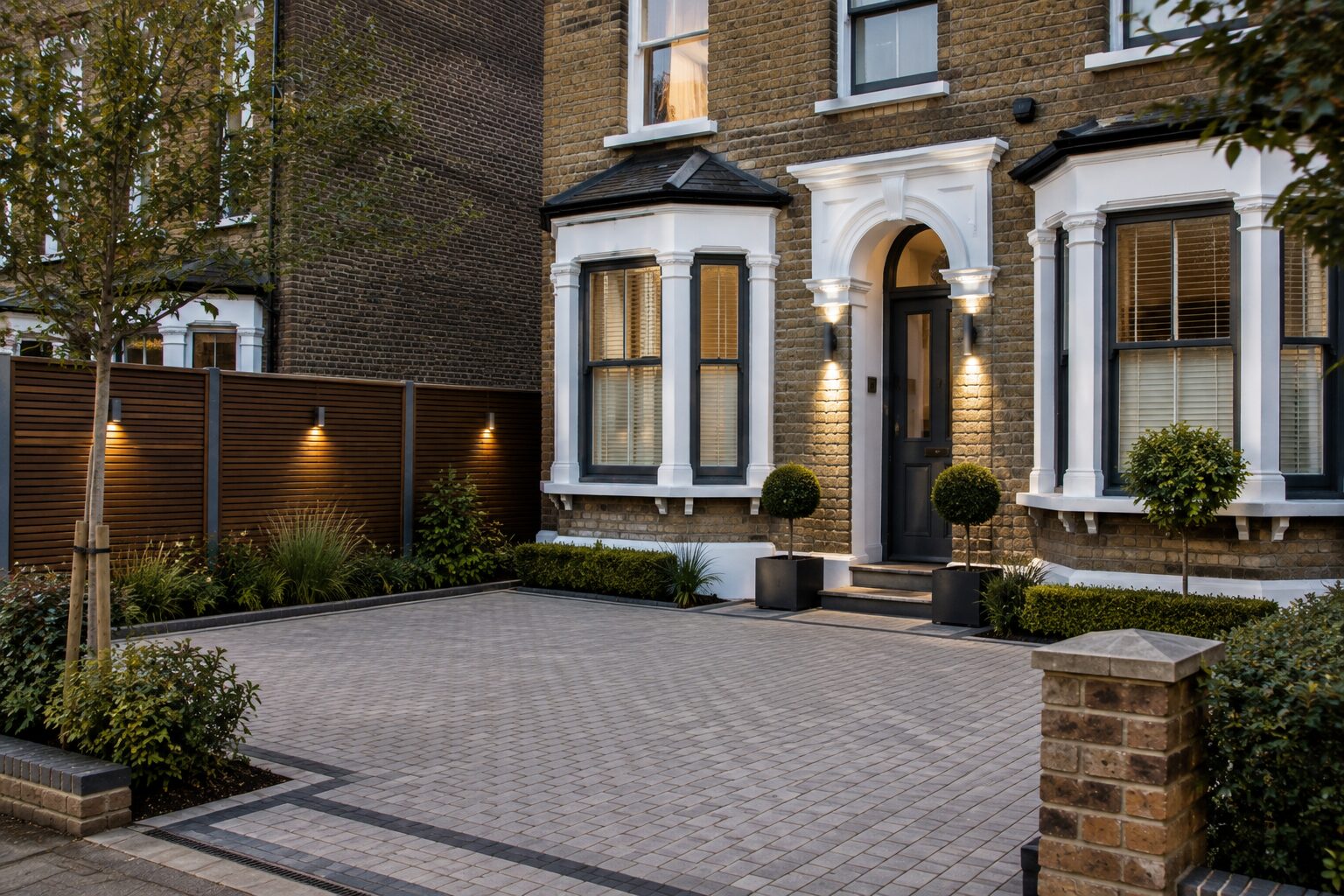
Exterior design is the first thing prospective tenants notice about an HMO, yet it’s often the last thing investors think about strategically. Most HMO developers focus on interior configuration, unit yield, and financial mechanics. But the exterior of your property (its kerb appeal, secure parking, and perceived safety) shapes tenant perception from arrival, influences retention rates, and determines how much rental income you’ll actually collect.
This is where many investors leave money on the table. A property can look strong on paper but still struggle to attract or retain tenants if the exterior signals poor management or creates daily friction. Intentional exterior design is a strategic investment decision that works directly for your ROI.
Why exterior perception drives tenant quality and retention
Research shows that satisfaction drives lease renewals. But satisfaction doesn’t start when they unlock the front door. It starts at the kerb.
In competitive rental markets, properties that project safety and thoughtful design attract higher-quality tenants who stay longer and justify higher rents. Professional tenants, students, and their families all prioritise security and convenience. When they view a property, they’re assessing. Is the parking secure and clearly defined? Does the property feel safe when arriving at night? Are outdoor spaces well-maintained and lit? Does the driveway and entry make a good first impression?
These aren’t superficial judgments. They’re fundamental to tenant satisfaction, and satisfaction directly impacts your ability to fill properties, reduce vacancies, and extend lease renewals. When you reduce turnover, you’re protecting rental income and avoiding the expensive cycle of re-letting, refurbishment, and downtime that erodes yields.
The numbers support it too. Exterior improvements return up to 57% on investment when they boost security perception and kerb appeal. That’s measurable capital returns, not just aesthetic polish.
Parking and access as a retention tool
One of the most overlooked elements of exterior specification is parking provision. For multi-unit HMOs, parking represents the single largest point of contact between residents and the property’s exterior. Materials that degrade quickly (rust, warping, broken locks) become liability generators. Poor garage infrastructure signals neglect and erodes tenant confidence. More importantly, it drains capital through reactive emergency repairs rather than strategic planning. Tenants who struggle with access, feel unsafe arriving at night, or deal with broken garage doors raise complaints and risk breaking leases early.
The key is designing parking provision that functions reliably and feels secure. A well-maintained, clearly defined parking area removes friction from daily living and becomes part of your property’s value proposition. When tenants don’t have to worry about access or safety, they’re more likely to renew their lease. That’s the retention payoff of thoughtful parking specification.
Material durability and the hidden cost of poor specification
Exterior materials that degrade quickly become liability generators. Rust, warping, or damaged finishes signal poor maintenance and erode tenant confidence, whilst draining capital through reactive repairs.
Choosing durable exterior materials reduces maintenance burden and protects property value. These aren’t premium add-ons; they’re infrastructure decisions that influence tenant perception and operational profitability. Among the best options are GRP garage doors, which combine timber finishes with composite durability, resisting rust and warping without the upkeep that traditional materials demand. This is why manufacturers like CDC Garage Doors prioritise GRP solutions for developers: the durability translates to lower repair costs and fewer tenant complaints. A property with durable, well-specified exteriors requires fewer call-outs, generates fewer complaints, and commands premium rents.
Building security into your exterior strategy
Security perception affects both tenant attraction and retention. Well-lit parking, clear sightlines, secure entry points, and professional garage solutions all signal a managed and protected property. When tenants feel secure, they renew leases; when they don’t, they leave. Security and retention command premium rents. It’s about designing an exterior environment that signals security and care.
Getting this right doesn’t require guesswork. A dusk-to-dawn LED wall pack over parking and entry areas removes the manual switching and forgotten timers that leave properties dark exactly when tenants need visibility most. On the entry side, a keyless smart lock with app-based access and real-time entry notifications removes the cost of re-cutting keys between tenancies and gives landlords visibility over who’s coming and going. For larger multi-unit schemes, pairing this with a wide-coverage security camera extends visibility beyond the entry itself, covering parking and communal access points where most exterior incidents actually happen.
Positioning exterior specification as a capital decision
Too many HMO developers treat exterior design as an afterthought. The smarter approach is to position exterior specification as a strategic capital allocation decision from the outset, similar to interior design or structural strategy.
When appraising a multi-unit HMO, consider: How does parking influence tenant recruitment in your target market? What exterior materials reduce maintenance costs over your holding period? Does the property’s kerb appeal justify the rental premium? Which upgrades deliver measurable ROI?
Property readiness includes exterior presentation. Design cohesion attracts tenants or loses them to competitors.
A practical checklist for exterior specification
When developing or refurbishing an HMO, invest in secure parking solutions that reduce maintenance, lighting and landscaping that enhance kerb appeal, high-quality finishes on entry points, and durable materials that age well. These investments improve performance, attract the right tenants, keep them longer, and generate your target returns. Treat these decisions with the same rigour you’d apply to interior layout or financial modelling. Get professional advice early. Build costs into your project programme. If conversion strategy hinges on works affecting exterior specification, these should sit on your critical path alongside planning and building regulations.
Key takeaways
Exterior design and security features are often overlooked by HMO investors focused on interior yield. However, kerb appeal, secure parking, and material selection directly influence tenant recruitment, retention, and rental income. Exterior improvements return up to 57% on investment when they improve security perception and kerb appeal. Strategic investment delivers measurable ROI through reduced vacancies and higher lease renewals. Build exterior design into your acquisition appraisal from the start, not as a finishing touch.
Planning your HMO’s exterior specification
A well-planned HMO conversion accounts for every strategic step before works begin. The earlier you understand which exterior features matter most for your target tenants, and which materials reduce operational costs, the easier it is to build accurate budgets into your project plan.
At HMO Architects, we work with investors at every stage, from feasibility and design through to planning and building regulations. For further assistance with your HMO project, schedule a complimentary discovery call; we’ll be happy to help you. Book a property strategy call with our specialists to discuss how intentional exterior design boosts your returns, or get in touch for a personalised quote.
Published by Giovanni Patania
on 08/07/2026
Giovanni is a highly accomplished architect hailing from Siena, Italy. With an impressive career spanning multiple countries, he has gained extensive experience as a Lead Architect at Foster + Partners, where he worked on a number of iconic Apple stores, including the prestigious Champs-Élysées flagship Apple store in Paris. As the co-founder and principal architect of WindsorPatania Architects, Giovanni has leveraged his extensive experience to spearhead a range of innovative projects.